Kids’ After-School Comfort: Sensory-Friendly Clothing Guide
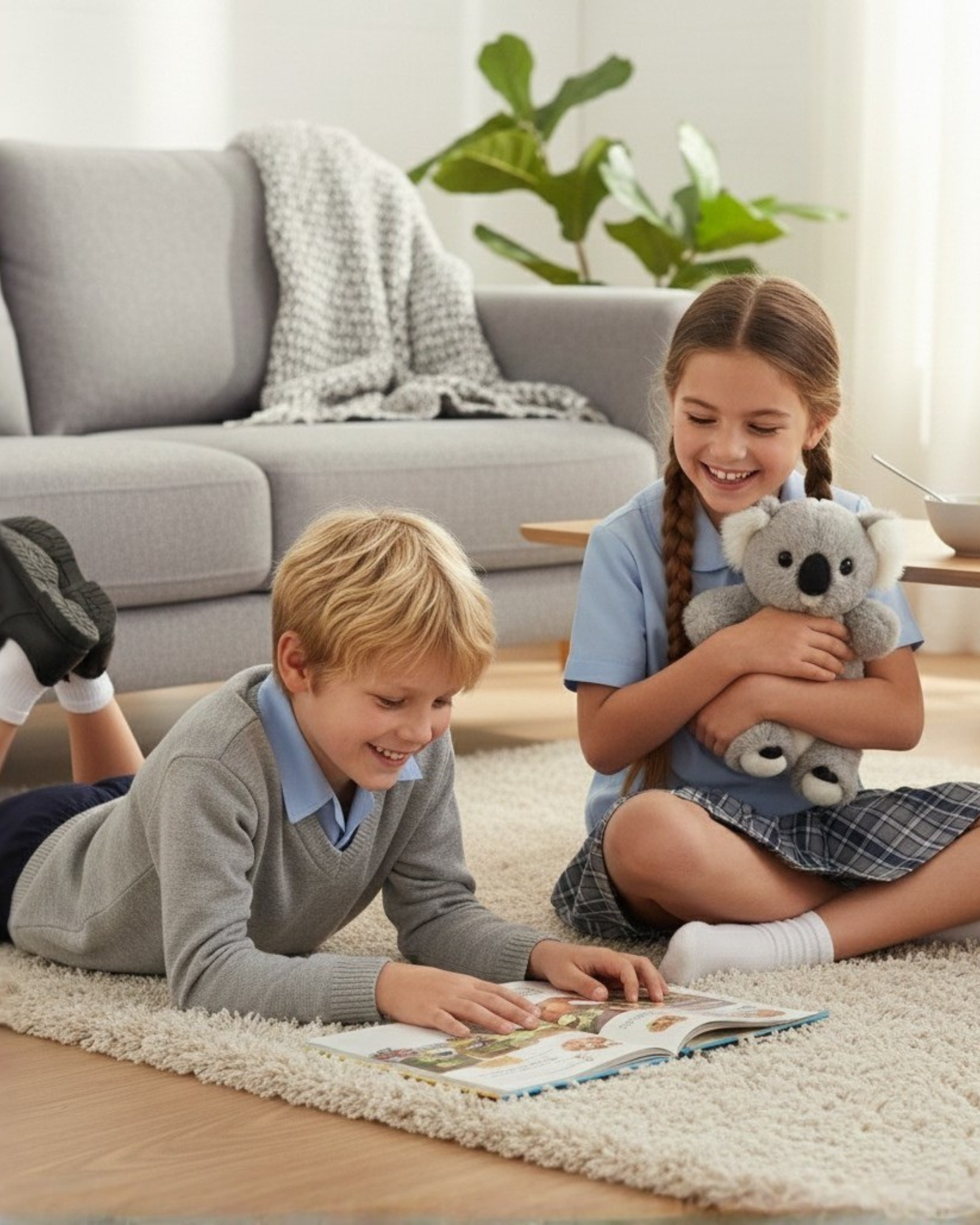
The school bell rings. Backpacks thud to the floor. Shoes are kicked off somewhere between the hallway and the couch. For many families, after-school time is when the real reset begins.
For children with sensory sensitivities, the transition from a busy classroom to home can feel like stepping out of a storm. The noise, uniforms, structured routines and social interactions can be overwhelming. That’s why Back to School Essentials should not only focus on what kids wear during school hours, but also what they change into after.
In this guide, we’ll explore how sensory-friendly clothing for kids supports emotional regulation, why comfort matters more than we often realise, and how to build a practical back to school bundle that keeps your child calm, confident and comfortable all year round.

Why After-School Comfort Matters More Than You Think
For many children, especially those on the autism spectrum or with sensory processing differences, clothing isn’t “just clothing.” It can feel scratchy, tight, restrictive or distracting.
After a full day of:
-
Structured learning
-
Social expectations
-
Bright lights and classroom noise
-
School uniforms that may not feel ideal
Their nervous system is working overtime.
Coming home to soft, breathable, tag-free clothing can:
-
Reduce sensory overload
-
Help regulate emotions
-
Support smoother afternoon routines
-
Prevent meltdowns triggered by discomfort
-
Improve focus for homework or quiet play
Comfort is not a luxury. It is a tool.
And when you treat it as part of your Back to School Essentials, the entire household benefits.
Signs Your Child Might Need Sensory Clothing
You may not even realise clothing is contributing to after-school stress.
Look for these signs:
-
Strips off school clothes immediately
-
Complains about “itchy” or “too tight” garments
-
Refuses certain socks or underwear
-
Avoids specific fabrics
-
Becomes irritable during uniform days
-
Has difficulty winding down in the afternoon
If this sounds familiar, upgrading your child’s comfort layer could be transformative.
Building the Ultimate Back to School Essentials List

When we think of Back to School Essentials, we often think of:
-
Lunch boxes
-
Stationery
-
School bags
-
Uniforms
But comfort basics deserve a spot on that list.
Here’s what to prioritise:
1. Seamless Underwear
Underwear is the foundation of daily comfort. If it’s irritating, everything else feels worse.
Look for:
-
Seamless briefs or boxer briefs
-
Soft, breathable fabrics
-
No inner tags
-
Flexible waistbands
For after-school comfort, having a soft change option ready at home can make a big difference.
2. Soft, Seamless Socks
Socks are one of the most common sensory triggers.
Children often complain about:
-
Toe seams
-
Thick stitching
-
Tight elastic cuffs
A 3-pack of soft, seamless socks can instantly reduce daily friction. When socks feel like a gentle layer rather than a sandpaper handshake, the whole day runs smoother.
3. Breathable Lounge Sets
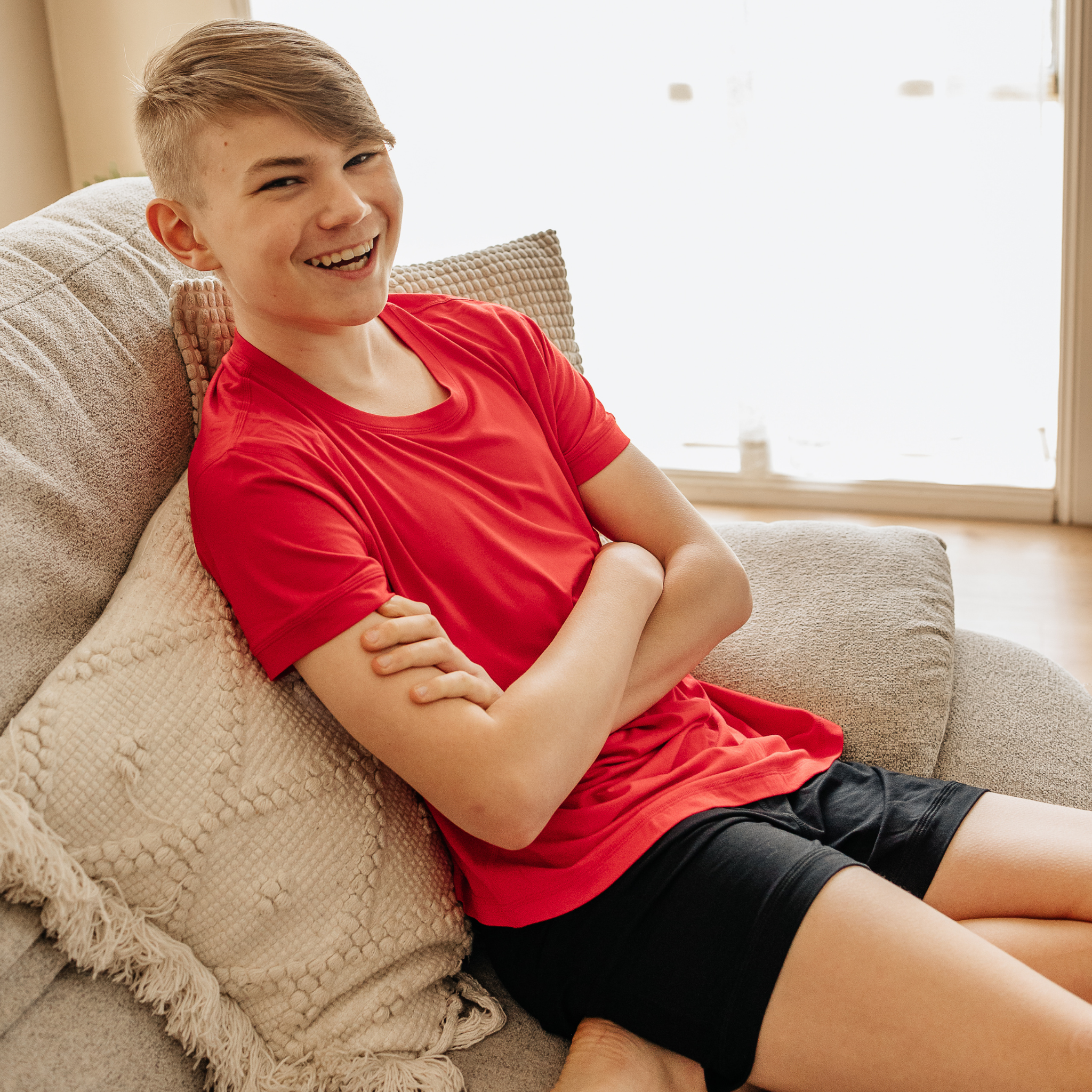
After-school is decompression time. A comfortable tee and soft shorts or leggings help children physically shift into “home mode.”
Breathable fabrics prevent overheating, which is another hidden sensory trigger.
People Also Ask: Sensory Clothing Questions Answered
Let’s address some of the most common parent questions.
What fabric is best for sensory-sensitive kids?
Fabrics that are:
-
Soft
-
Breathable
-
Stretchy
-
Lightweight
are usually best.
Natural fibres like bamboo and modal are popular because they feel smooth against the skin and help regulate temperature. The key is reducing friction and avoiding stiff or textured materials.
Can sensory clothing help with meltdowns?
Clothing alone isn’t a cure for meltdowns, but it can remove a major trigger.
When a child’s nervous system is already overwhelmed, even small irritations can tip the scale. By reducing clothing discomfort, you’re removing one stress factor from the equation.
Think of it as lowering the background noise so your child has more capacity to cope.
Is sensory clothing only for autistic children?
Not at all.
While many autistic children benefit from sensory-friendly designs, other children may also experience tactile sensitivities.
Even adults can have similar preferences.
That’s why sensory clothing for adults has grown in popularity. Comfort is universal. Some adults prefer seamless underwear or tag-free garments simply because they feel better throughout long workdays.
Comfort has no age limit.

After-School Reset Routine: A Simple Framework
Here’s a practical way to use sensory-friendly clothing to support transitions:
Step 1: Create a Change Zone
Designate a small area near the entrance or bedroom where your child can change into their comfortable clothes.
Keep it predictable.
Routine creates safety.
Step 2: Make It Automatic
Instead of asking, “Do you want to change?”, build it into the daily rhythm.
School bag down. Shoes off. Change into comfort clothes.
No negotiation. Just consistency.
Step 3: Pair with Calm Activities
After changing, encourage:
-
Quiet reading
-
Lego or building blocks
-
Drawing
-
Snack time
-
Gentle music
The physical comfort supports emotional regulation.
Extending Comfort Beyond Kids
While this guide focuses on children, it’s worth noting that sensory clothing for adults is becoming more recognised.
Parents who discover seamless comfort for their children often realise they prefer it too.
Long workdays, office clothing, commuting. Adults also carry tension in their clothing.
Choosing softer basics can make daily life feel less abrasive.
Comfort is not indulgent. It’s intelligent.

A Gentle Reminder for Parents
If your child struggles after school, it does not mean they are “overreacting.”
It often means their sensory tank is empty.
Clothing may seem like a small detail, but small details compound throughout the day.
When you prioritise the right Back to School Essentials, you are saying:
“I see you. I understand your needs. Your comfort matters.”
That message is powerful.

Written by Kelly Goodfellow


Leave a comment
This site is protected by hCaptcha and the hCaptcha Privacy Policy and Terms of Service apply.