How to Layer Sensory-Friendly Clothing for Winter in Australia
Winter in Australia is unpredictable, with chilly mornings, warmer afternoons and everything in between. For most families, dressing for that is no big deal. For children and adults with sensory sensitivities, it can be the hardest part of the day.
Heavy jumpers, bulky jackets, rough fabrics, and too many layers add up fast. Getting dressed becomes a battle before the day has even started.
Sensory-friendly clothing for winter in Australia can take a lot of that stress out of the equation. Soft fabrics and light layers keep you warm without the bulk, the itch, or the fight.
In this guide, we'll walk through a simple layering system, the fabrics worth trusting, and practical ways to make winter clothing more comfortable for kids and adults.
Why Winter Clothing Can Be Difficult for Sensory-Sensitive People

Most winter clothing is designed with one goal: warmth. Comfort is often an afterthought, and for sensory-sensitive kids and adults, that gap matters.
Common triggers in typical winter clothing include:
- Thick or rough seams
- Scratchy wool
- Tight cuffs and collars
- Bulky, heavy layers
- Overheating indoors
None of these are minor to someone with sensory needs. A scratchy tag or a seam in the wrong place can be the difference between a calm morning and a meltdown. Soft, considered clothing choices make daily routines easier for the whole family, not just the person wearing it.
Winter Layering in Australia: Less Bulk, More Comfort
Layering doesn't mean piling on thick clothing. It means choosing pieces that work together.
The idea behind winter layering in Australia is simple: several lightweight layers instead of one heavy one. You get the same warmth, but with the flexibility to strip a layer back the moment the day warms up.
Here's what that looks like in practice, layer by layer.
Base Layer
The base layer sits directly against the skin. It should feel soft and comfortable, full stop.
Look for:
- Restocked Kids and Adult T-Shirts
- Tag-free clothing
- Flat seams
- Stretchy fabrics
- Lightweight materials
Get the base layer right and everything worn over the top feels better too.
Middle Layer
The middle layer adds extra warmth when needed.
Good options include:
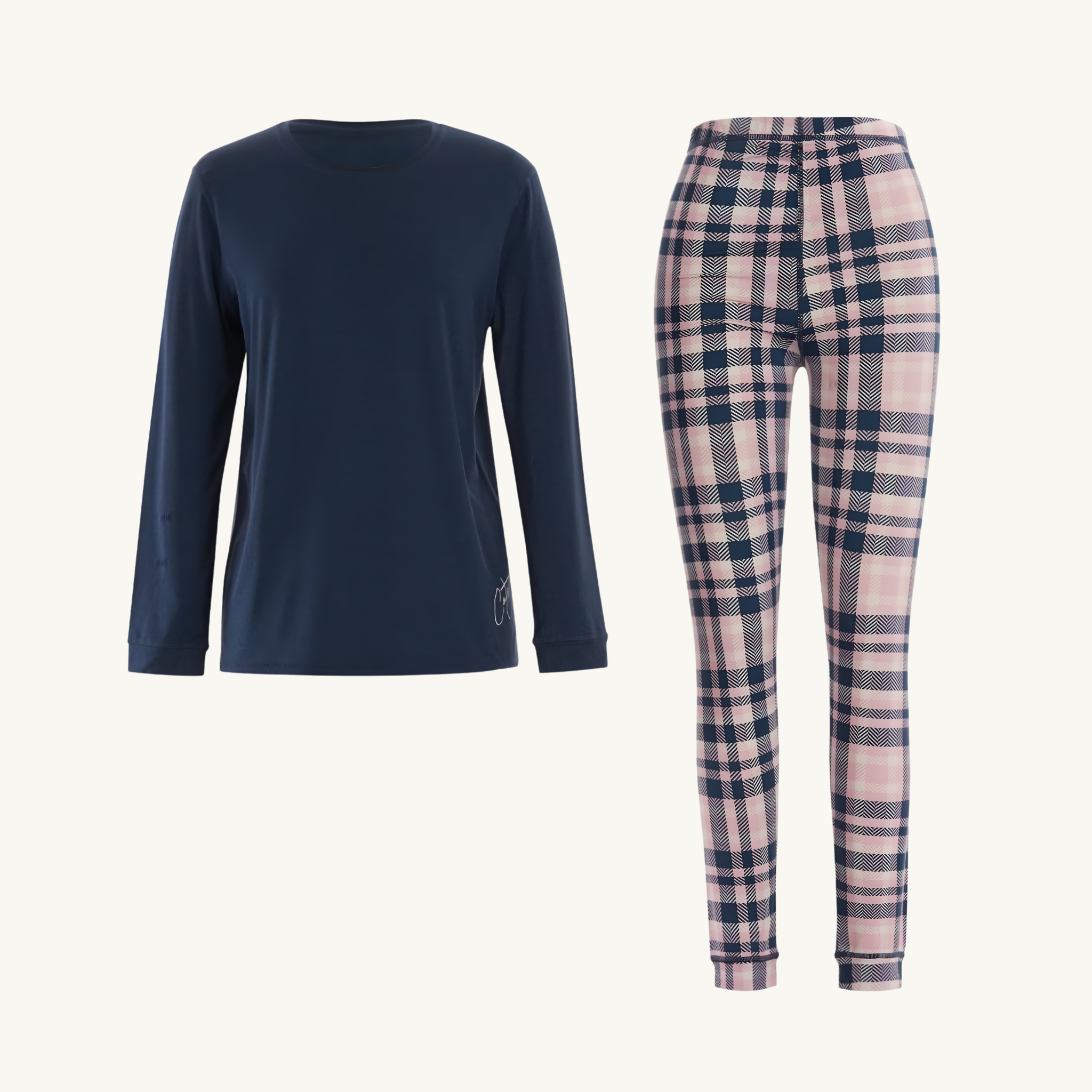
- Lightweight long-sleeve tops
- Soft sensory hoodies
- Comfortable sweatshirts
Try to avoid stiff or bulky fabric here. A middle layer should move with your child, not against them.
Outer Layer
The outer layer protects against cold wind and rain. Look for one that's lightweight, flexible, easy to remove, and comfortable over the layers underneath.
This three-layer approach gives you real control over warmth, without forcing anyone into one thick, itchy garment.
How Do You Layer Clothes for Sensory-Sensitive Children?
The key is to keep each layer soft, breathable, and easy to adjust.
Try these simple steps:
- Start with a soft sensory-friendly t-shirt.
- Add a lightweight long-sleeve top if needed.
- Finish with a comfortable hoodie or jacket.
- Remove layers when your child gets too warm.
-
Let your child choose which layers feel comfortable.
Giving children some say over their clothes can make getting dressed a lot less stressful. If your child pushes back on a fabric or a layer, that feedback is worth listening to. Comfort should always come before finishing the outfit.
What Should Sensory-Sensitive Kids Wear in Winter?
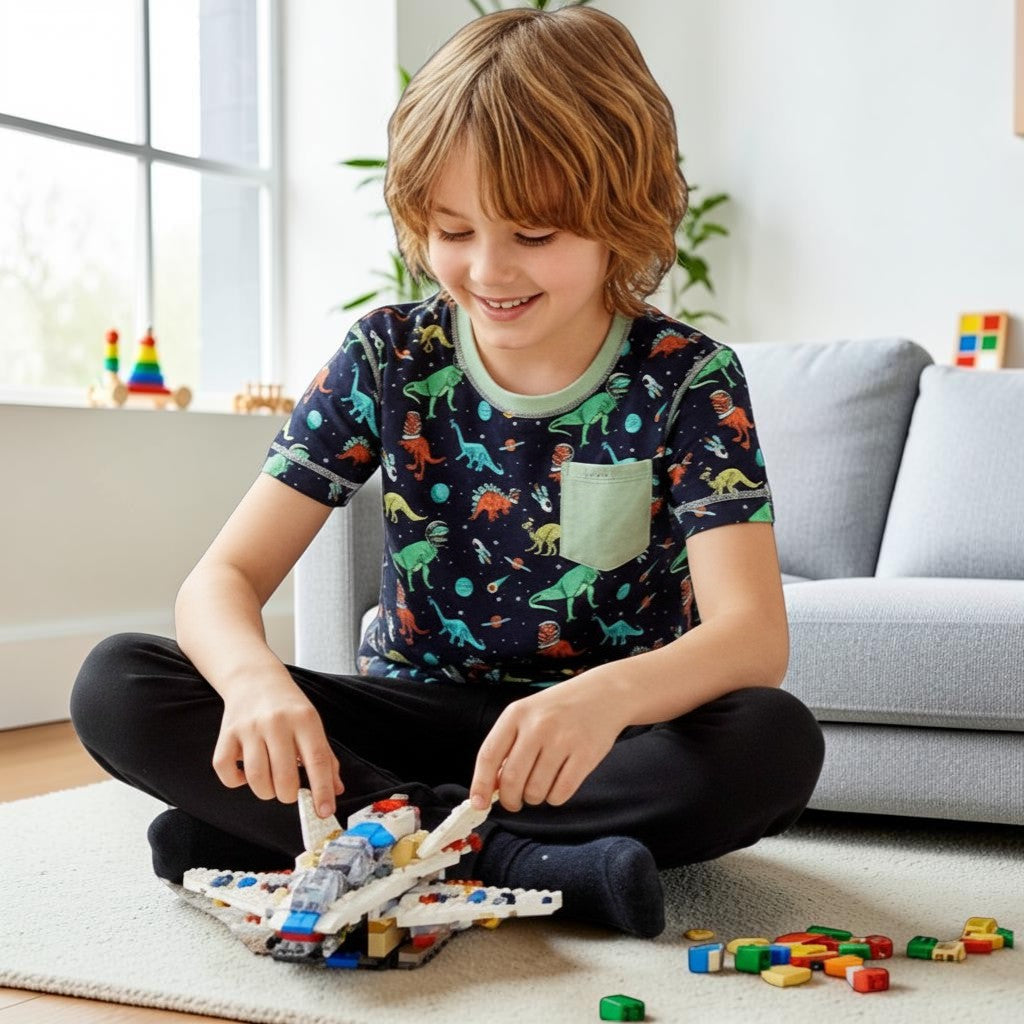
When people ask what the best sensory-friendly clothing for cold weather actually looks like, the answer is usually the same: soft, familiar, and easy to layer.
Winter essentials worth having on hand:
- Restocked Kids and Adult T-Shirts
- Bamboo long-sleeve tops
- Soft leggings
- Tag-free hoodies
- New Kids Tracksuit Pants
- Restocked SkinSense™ Seamless Briefs (3-Pack)
- Sensory-friendly socks
Instead of one thick winter outfit, build from lighter pieces you can add or remove as needed. This matters most on school days, when classrooms run warm and playgrounds run cold, sometimes within the same hour.
What Fabric Is Best for Winter Sensory Clothing?
Fabric can make or break a winter outfit for sensory-sensitive skin. Some materials feel rough or itchy no matter how well they're cut. Others stay soft and breathable while still doing their job of keeping you warm.
Bamboo
Bamboo is a popular choice for sensory clothing in Australia. It's soft against the skin, lightweight, breathable, moisture-wicking, temperature-regulating, and genuinely comfortable for everyday wear.
Bamboo works well as a winter base layer because it keeps you warm without ever feeling bulky.
Modal
Modal has a smooth, soft feel. It's lightweight and stretchy, which makes it a good option for anyone who dislikes restrictive clothing. It's why we use it in pieces like our SkinSense™ Seamless Briefs.
Cotton Blends
Soft cotton blends work well too. Look for clothing that pairs a comfortable fabric with flat seams and tag-free construction.
Every person is different, though. A fabric that feels comfortable for one child might feel completely wrong for another. Let your child's reaction guide the choice, not the fabric label.
Is Bamboo Clothing Warm Enough for Winter?
Yes, bamboo fabric is lightweight and breathable, which makes it a genuinely useful base layer through winter.
It doesn't need to be thick to work. Paired with a warmer middle or outer layer, bamboo t-shirts build a flexible winter outfit without adding bulk. That's especially useful for kids who dislike heavy jumpers and coats. They can start with a soft bamboo t-shirt and add a layer only when they actually need it.
What Makes Winter Clothing Sensory-Friendly?
Sensory-friendly winter clothing isn't only about warmth. It's about reducing the everyday triggers that come with typical winter gear.
Look for:
- Tag-free labels
- Flat or smooth seams
- Soft waistbands
- Breathable fabrics
- Stretch for easy movement
- Lightweight layers
Sometimes removing one small irritant, like a scratchy tag or a tight waistband, is the whole difference in how a child's day goes.
Sensory-Friendly Clothing for Adults Matters Too
Sensory sensitivities don't stop at childhood.
Heavy jumpers, scratchy fabric, tight sleeves and restrictive layers make winter harder for sensory-sensitive adults too, whether that's at work, doing school pickup, or just getting through a Tuesday.
Consider:
- Soft base layers, like our Adult T-Shirt in New Emerald
- Lightweight long-sleeve tops
- Flexible lounge pants
- Comfortable hoodies
- Breathable fabrics
- Tag-free designs
The same layering approach works just as well for adults, whether that's at home, at work, travelling, or out in the cold.
Why Does My Child Hate Wearing Winter Clothes?
If getting your child into a jumper turns into a battle every single morning, it's rarely about defiance. More often, it's the clothing.
Your child might be reacting to:
- Scratchy materials
- Tight necklines
- Heavy coats
- Bulky sleeves
- Thick socks
- Tight waistbands
- Clothing that feels too hot
Watch what they actually do, not just what they say. Pulling at a sleeve, ripping off socks the second you turn around, refusing to zip up a coat. These are all information, not misbehaviour.
Once you know what's causing the discomfort, finding a softer alternative gets a lot easier. And so does the morning.
How Can I Make Winter Clothing More Comfortable?
A few small changes go a long way.
Dress in thin layers. Several lightweight layers beat one thick jumper every time, and your child can shed a layer the second they get too warm.
Let children test clothing. Before new clothes go anywhere near a school bag, let your child wear them at home first. Give them time to move, sit, and actually live in the outfit. Problems show up a lot faster at home than mid-lesson.
Choose familiar fabrics. If your child already trusts a fabric, build around it. If bamboo works, a soft t-shirt is your starting point, not an experiment.
Remove extra layers indoors. Classrooms, shops and cars heat up fast in winter. If your child's comfortable doing it, let them shed a hoodie or outer layer indoors without a fuss.
Build a small winter capsule wardrobe. You don't need a full winter wardrobe. You need a handful of pieces your child already trusts. A couple of comfortable t-shirts and a pair of Kids Tracksuit Pants can cover more mornings than you'd think, and familiar clothing means one less decision before 8am.
Staying Warm Should Never Mean Feeling Uncomfortable

Winter doesn't have to be something you get through. It can just be another season, dressed for properly.
Soft fabrics, light layers and sensory-friendly design go a long way: bamboo, tag-free labels, smooth seams, flexible layering. None of it is complicated. It just needs to be comfortable.
Because the goal was never simply keeping warm. It's helping your child, or yourself, feel comfortable enough to actually enjoy the season instead of just surviving it.
Explore Sensory-Friendly Clothing for Winter

The right clothing makes winter mornings easier for everyone in the house.
Explore Comfort on the Spectrum's sensory-friendly collection for kids and adults, including our Restocked Kids and Adult T-Shirts (with the New Emerald Adult T-Shirt back in stock), SkinSense™ Seamless Briefs, new Kids Tracksuit Pants, soft hoodies, and other everyday essentials made with comfort front of mind.
When clothing feels right, everyone can stop thinking about it, and get back to school, work, and the rest of the season.

Written by Kelly Goodfellow


Leave a comment
This site is protected by hCaptcha and the hCaptcha Privacy Policy and Terms of Service apply.